

















Harvard Art Museums: A Complete Guide to Art, History, and Innovation
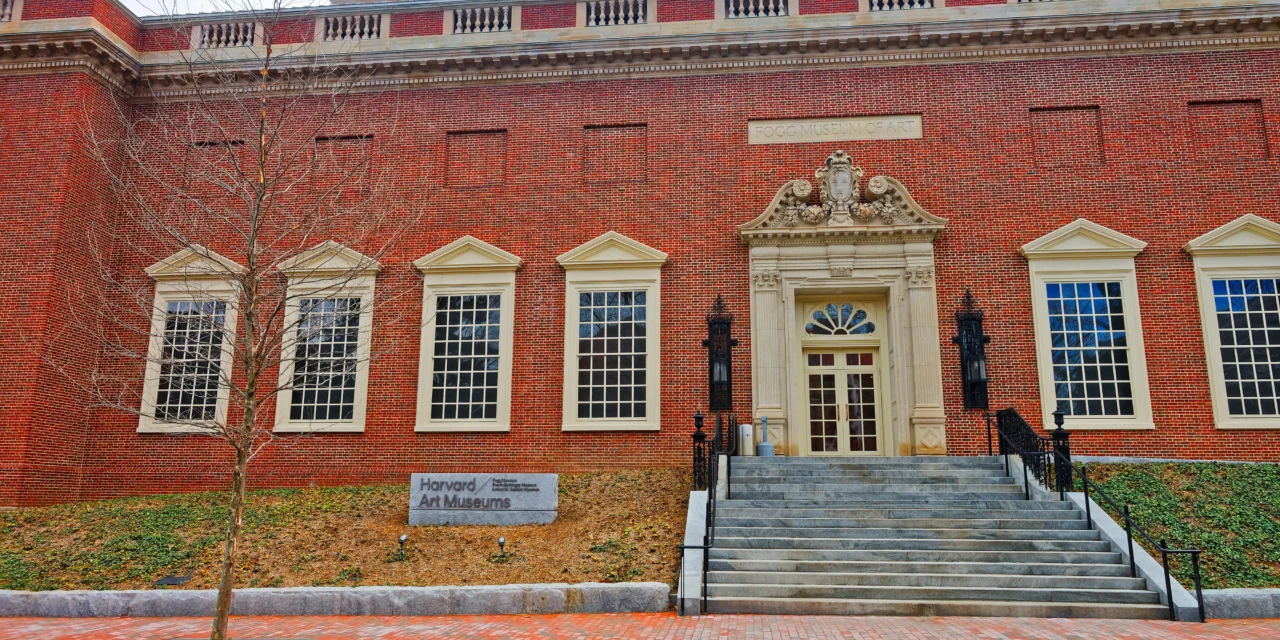
The Harvard Art Museums are not just a place to view artworks — they are a space where history, culture, and academic research come together. Located in Cambridge, Massachusetts, these museums form one of the most important university art collections in the world. With centuries-old masterpieces, modern works, and cutting-edge conservation labs, the Harvard Art Museums offer an experience that appeals to art lovers, students, and curious travelers alike.
Overview of Harvard Art Museums
The Harvard Art Museums are part of Harvard University and include three renowned collections housed within a single, architecturally striking complex:
- Fogg Museum
- Busch-Reisinger Museum
- Arthur M. Sackler Museum
Together, these museums hold over 250,000 objects, ranging from ancient times to the present day. The collection spans cultures from across Europe, Asia, the Middle East, and the Americas, making it one of the most comprehensive academic art collections in the United States.
History of the Harvard Art Museums
The story of the Harvard Art Museums began in the late 19th century, when the Fogg Museum was established to support teaching and research at Harvard University. Over time, the collection expanded through generous donations, archaeological expeditions, and scholarly acquisitions.
A major transformation occurred in 2014, when the museums reopened after an extensive renovation and expansion. Designed by renowned architect Renzo Piano, the new building brought the three museums together under one roof, creating an open, light-filled space that reflects transparency, learning, and accessibility.
Architectural Highlights
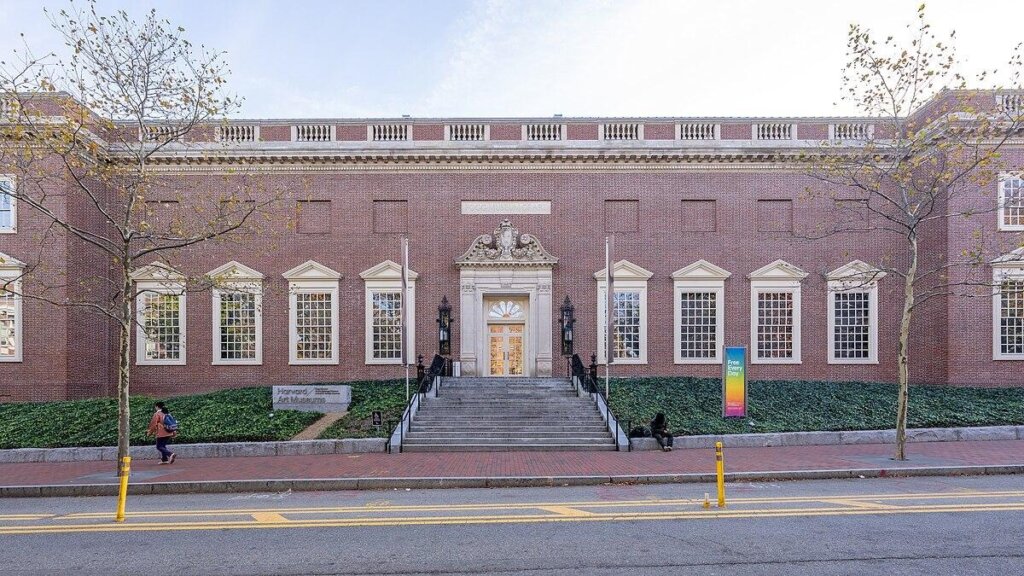
One of the most striking features of the Harvard Art Museums is its glass roof and central courtyard, which flood the building with natural light. The design allows visitors to see into conservation labs and study centers, offering a rare behind-the-scenes look at how artworks are preserved and researched.
Key architectural features include:
- Glass-enclosed conservation labs
- Open study centers for prints, drawings, and paintings
- A modern yet respectful integration of historic elements
The building itself feels like part of the museum experience, not just a container for art.
Location of the Harvard Art Museums
The Harvard Art Museums are located in the heart of Cambridge, Massachusetts, right next to Harvard Square, one of the city’s most vibrant and historic neighborhoods. The museum complex is part of Harvard University’s campus, making it easily accessible for both visitors and students.
Exact Address:
Harvard Art Museums
32 Quincy Street
Cambridge, MA 02138
United States
Major Collections and Galleries
European Art
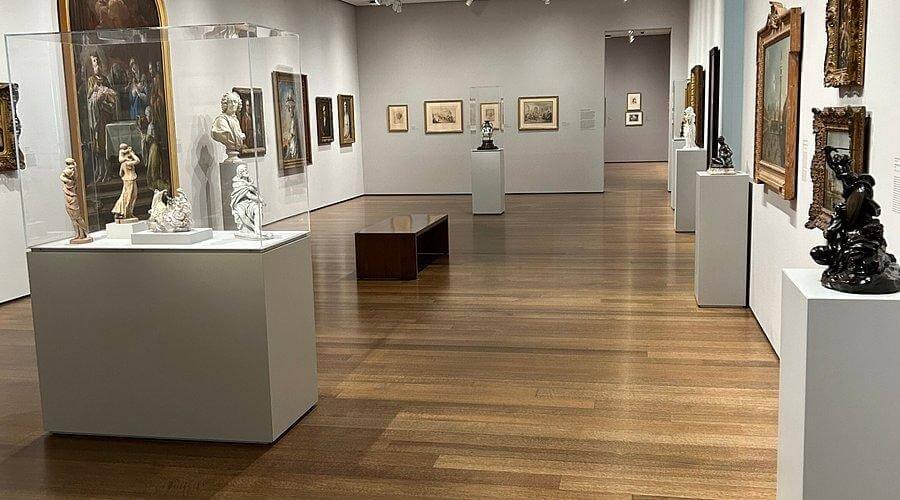
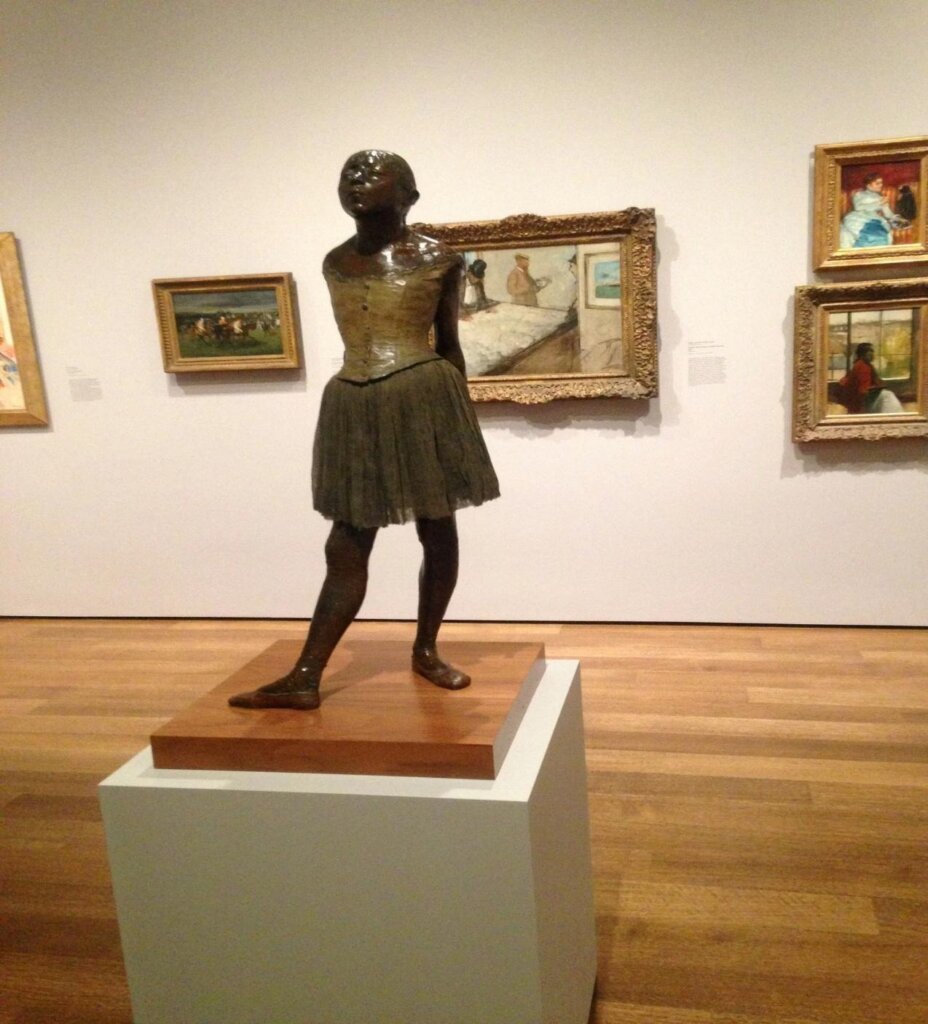
The museums are especially known for their European paintings, sculptures, and decorative arts. Visitors can see works by legendary artists such as Rembrandt, Monet, Van Gogh, Degas, and Picasso.
Asian and Ancient Art
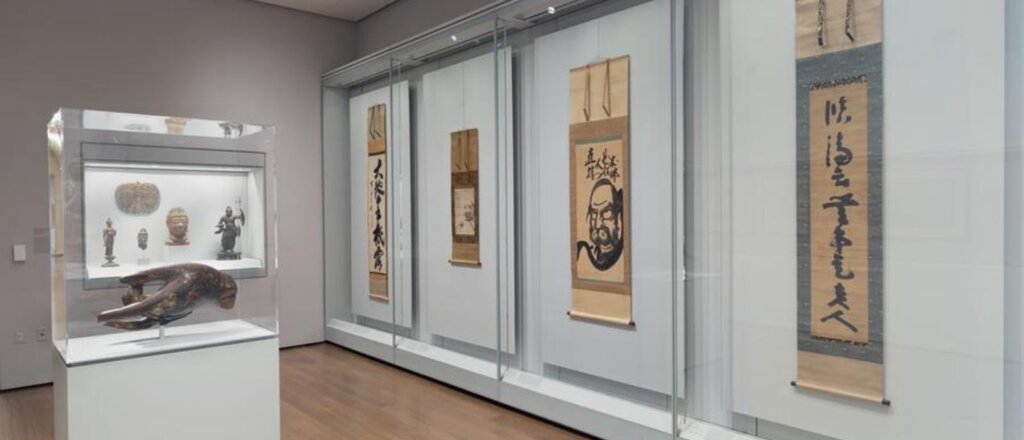
The collection includes significant works from China, Japan, South Asia, the Islamic world, and ancient Mediterranean civilizations. Sculptures, ceramics, manuscripts, and ritual objects offer insight into centuries of artistic and spiritual traditions.
German and Central European Art
The Busch-Reisinger Museum focuses on German-speaking cultures, featuring medieval sculpture, modernist works, Bauhaus design, and contemporary pieces.
Modern and Contemporary Art
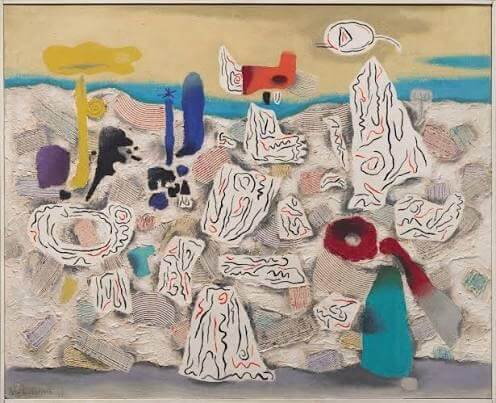
The museums also showcase modern and contemporary artworks, reflecting current artistic practices and global conversations.
Exhibitions and Rotating Displays
The Harvard Art Museums regularly host temporary exhibitions that explore specific artists, movements, or themes. These exhibitions often combine artworks with scholarly research, making them both visually engaging and intellectually rich.
Because many objects are light-sensitive, the museums rotate displays frequently, meaning each visit offers something new.
Education, Research, and Conservation
One of the defining features of the Harvard Art Museums is their role as a teaching museum. Art is actively used in Harvard’s classrooms, and students from many disciplines engage directly with original artworks.
Behind the scenes, expert conservators work to preserve fragile paintings, sculptures, and manuscripts. Visitors can often observe this work through glass walls, creating a rare level of transparency.
Harvard Art Museums Blog (Index Magazine)
The museum also runs a thoughtful online publication called Index Magazine, which functions as its official blog. It features:
- In-depth articles on artworks and exhibitions
- Stories from curators, conservators, and students
- Insights into museum research and community programs
This blog extends the museum experience beyond the gallery, making art accessible to a global audience.
Best Time to Visit the Harvard Art Museums (Detailed Guide)
Visiting the Harvard Art Museums is about more than just walking through galleries — it’s about choosing the right time so you can savor the art, enjoy the space, and soak in the atmosphere without feeling rushed or crowded.
Pick the Right Season
- Spring (March–May)
Spring is one of the most pleasant times to visit Cambridge. The weather is mild, Harvard Square starts buzzing with energy, and weekdays tend to be quieter for museum visits. It’s ideal for combining an indoor art experience with outdoor walks around campus.
- Summer (June–August)
Summer brings more tourists and weekend visitors to the area, which means the museums — though still wonderfully engaging — will likely be busier. However, summer is also when students are on break, so weekday mornings still feel calm and relaxed.
- Fall (September–November)
Fall might just be the best seasonal choice for many visitors. Cool weather, vibrant colors around campus, and a steady stream of exhibitions make this a favorite. Weekdays are especially nice before the late fall holiday rush.
- Winter (December–February)
Winter can be quieter and more contemplative. With fewer tourists, you’ll have a peaceful visit — though the chilly weather outside makes the gallery experience even more inviting. Just remember that some holiday dates might mean closures, so check the museum calendar before planning.
Who Should Visit:
- Art and history enthusiasts
- Students and researchers
- Cultural travelers
- Families and educators
The museums are well-organized, clearly labeled, and welcoming even for first-time visitors.
Travel Tips for Harvard Art Museums Visitors
- Visit on weekdays for fewer crowds; mornings are the quietest.
- Take public transport — Red Line to Harvard Square is the easiest option.
- Arrive early to enjoy galleries comfortably and avoid rush hours.
- Wear comfortable shoes as the museum has multiple floors to explore.
- Check opening hours and events online before your visit.
- Allow 2–3 hours for a relaxed museum experience.
- Photography is limited — avoid flash and follow gallery signs.
- Take breaks in the Calderwood Courtyard or museum café.
- Explore nearby Harvard Square for food, shopping, and sightseeing.
Why the Harvard Art Museums Are Special
What truly sets the Harvard Art Museums apart is their balance between scholarship and accessibility. They are deeply academic yet inviting, historic yet modern. Instead of overwhelming visitors, the museums encourage slow looking, curiosity, and thoughtful engagement with art.
Whether you are exploring ancient sculptures, modern paintings, or conservation science, the experience feels personal and meaningful.
Final Thoughts
The Harvard Art Museums stand as a powerful example of how art institutions can preserve the past while actively engaging with the present. More than a museum, they are a center for learning, dialogue, and cultural exchange. A visit here is not just about seeing art — it’s about understanding how art shapes and reflects human history.
Frequently Asked Questions (FAQs) – Harvard Art Museums
1. Where are the Harvard Art Museums located?
The Harvard Art Museums are located in Cambridge, Massachusetts, near Harvard Square, and are part of Harvard University’s campus.
2. What museums are included in the Harvard Art Museums?
The Harvard Art Museums consist of three collections:
Arthur M. Sackler Museum
Fogg Museum
Busch-Reisinger Museum
All three are housed in one modern building.
3. What type of art can be seen at the Harvard Art Museums?
Visitors can explore a wide range of art, including:
Modern and contemporary works
European paintings and sculptures
Asian and Islamic art
Ancient Mediterranean artifacts
German and Central European art
4. Who designed the Harvard Art Museums building?
The museum complex was redesigned by renowned architect Renzo Piano and reopened in 2014, featuring a glass roof and open study spaces.
5. How large is the Harvard Art Museums collection?
The museums house more than 250,000 artworks, spanning from ancient times to the modern era.
6. Are the Harvard Art Museums open to the public?
Yes, the Harvard Art Museums are open to the public, including students, researchers, tourists, and families.
7. What is the Harvard Art Museums blog called?
The official blog is known as Index Magazine, which shares articles on exhibitions, conservation, research, and behind-the-scenes stories.
8. What is the best time to visit the Harvard Art Museums?
Weekdays and morning hours are best for a peaceful visit. Spring and fall are ideal seasons for visiting Cambridge.
9. Are there educational programs at the museum?
Yes, the museum offers lectures, workshops, guided tours, and academic programs for students, educators, and art enthusiasts.
10. Why are the Harvard Art Museums important?
The Harvard Art Museums are important because they combine world-class art collections with academic research, conservation science, and public education in one institution.