


















Peabody Museum of Archaeology and Ethnology – Complete Visitor Guide
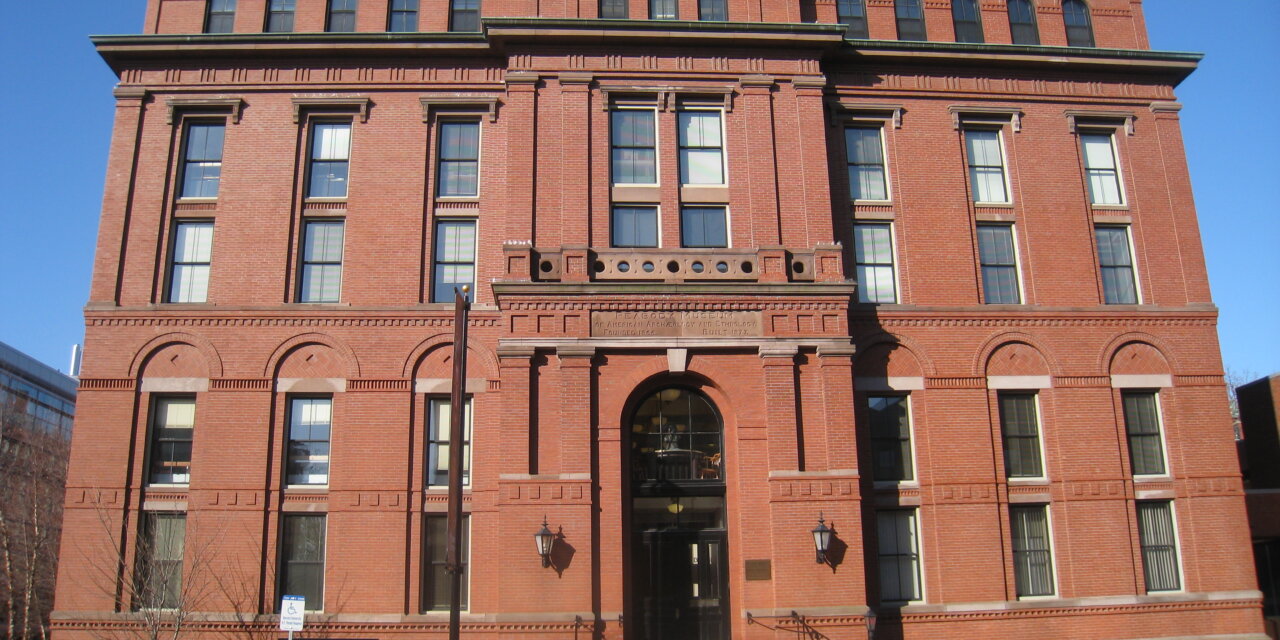
The Peabody Museum of Archaeology and Ethnology, located at Harvard University in Cambridge, Massachusetts, is one of the oldest and most respected anthropology museums in the world. Established in 1866, this museum offers visitors a deep and meaningful look into human history, culture, and civilizations from across the globe.
History of the Peabody Museum
The museum was founded by George Peabody, a renowned American philanthropist, with the aim of promoting the scientific study of humanity. During the 19th century, archaeology and ethnology were emerging academic fields, and the Peabody Museum quickly became a leading center for research and education.
In 1877, a dedicated museum building was constructed to house its expanding collections. Over time, the museum played a crucial role in shaping American anthropology, supporting field research in North America, Central and South America, Africa, Asia, and Oceania.
Architecture and Museum Building
The Peabody Museum building is a historic red-brick structure designed specifically for anthropology collections. It is part of Harvard’s University Museum complex and shares space with the Harvard Museum of Natural History.
The interior features:
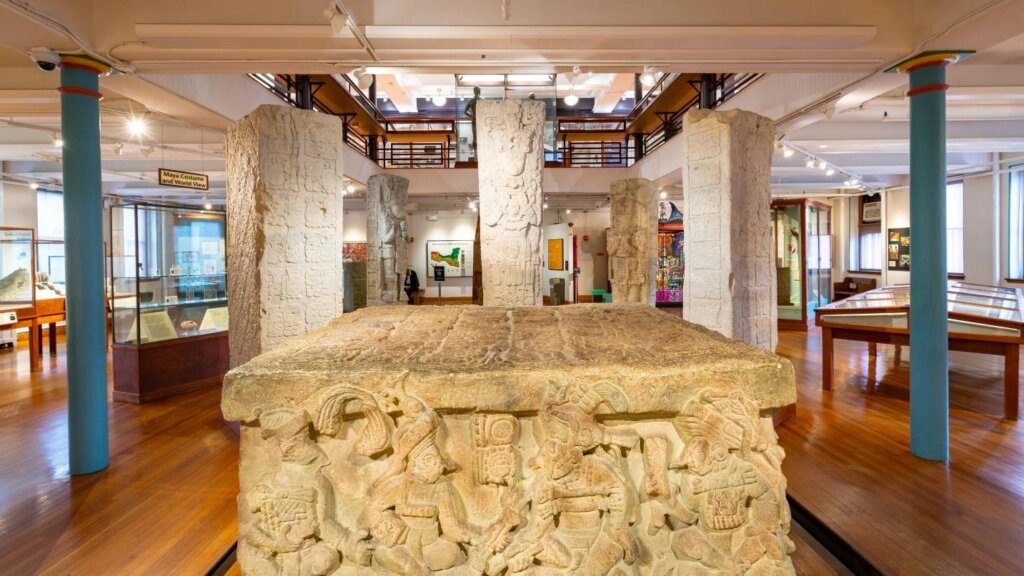
- Spacious galleries for large cultural artifacts
- Multiple floors organized by themes and regions
- Research labs, archives, and conservation areas
The museum has been carefully renovated to preserve its historic character while adding modern facilities for accessibility and conservation.
Location & How to Reach
Address: 11 Divinity Avenue, Cambridge, MA 02138, USA
How to Reach:
- Subway: Take the MBTA Red Line to Harvard Square, then walk 10 minutes
- Bus: Multiple buses stop near Harvard Square
- Car: Paid parking garages available nearby (limited street parking)
Collections and Exhibits
The Peabody Museum holds:
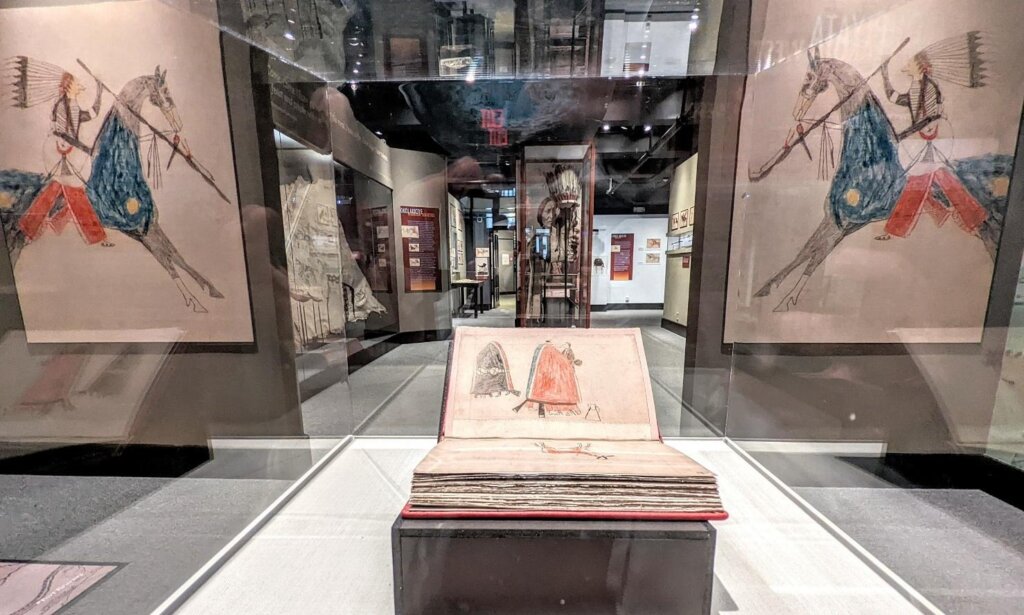
- 1+ million archaeological and ethnographic objects
- 500,000+ photographs and archives
- Rare tools, textiles, sculptures, and ceremonial items
Popular Exhibit Themes:
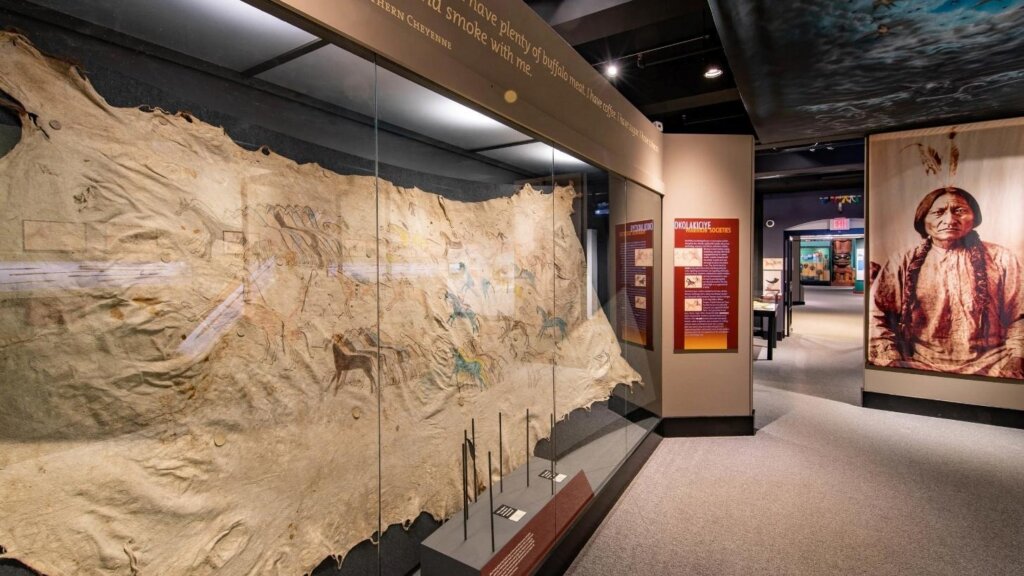
- Indigenous cultures of North America
- Ancient civilizations of Mesoamerica and the Andes
- Cultures of Africa, Asia, and the Pacific
- Human-environment relationships
Each exhibit focuses not only on objects, but also on the stories, traditions, and voices of communities connected to them.
Ethical Approach & Indigenous Collaboration
Unlike traditional museums, the Peabody Museum actively works to rethink old narratives. Today, it emphasizes:
- Collaboration with Indigenous and descendant communities
- Ethical stewardship of cultural heritage
- Repatriation of ancestral remains and sacred objects
- Inclusive and respectful storytelling
This makes the museum a leader in modern, responsible museum practices.
Best Time to Visit Peabody Museum of Archaeology and Ethnology
The best time to visit the Peabody Museum of Archaeology and Ethnology is during spring and fall, when the weather is pleasant and visitor crowds are moderate. These seasons allow you to explore the museum comfortably and enjoy walking around the beautiful Harvard University campus.
Best Season to Visit
- Spring (March to May):
Ideal weather, fewer tourists, and a calm museum atmosphere. Perfect for students, researchers, and families. - Fall (September to October):
Cool temperatures, scenic campus views, and a peaceful environment make this one of the most recommended times to visit.
Summer Visit
- June to August is the busiest period due to tourists and school vacations.
- The museum remains enjoyable, but galleries may feel crowded during peak hours.
Winter Visit
- November to February is quieter and less crowded.
- Best for visitors who prefer a calm and focused museum experience, though cold weather may limit outdoor exploration.
Best Day & Time
- Best Days: Tuesday to Thursday (less crowded than weekends)
- Best Time of Day: Morning hours, right after opening, for a relaxed visit
Why Visit the Peabody Museum?
- Learn about human cultures from every continent
- Experience one of the world’s oldest anthropology museums
- Ideal for students, researchers, families, and culture lovers
- Combine your visit with the Harvard Museum of Natural History (same ticket)
Tips For Visitors
- Visit in the morning on weekdays for fewer crowds
- One ticket includes Peabody Museum + Harvard Museum of Natural History
- Wear comfortable shoes (multiple floors)
- No flash photography inside galleries
- Read exhibit labels for better understanding
- Museum is wheelchair accessible
- Plan 2–3 hours for a complete visit
- Explore Harvard Square nearby after your visit
Conclusion
The Peabody Museum of Archaeology and Ethnology is more than just a museum — it is a space for learning, reflection, and cultural understanding. By blending historic collections with modern ethical values, it offers visitors a powerful and educational experience that connects the past with the present.
Frequently Asked Questions (FAQs)
Q1. Where is the Peabody Museum located?
The museum is located at 11 Divinity Avenue, Cambridge, Massachusetts, on the Harvard University campus.
Q2. What are the museum opening hours?
The museum is generally open from 9:00 AM to 5:00 PM, but hours may vary on holidays.
Q3. What is the best time to visit the museum?
The best time to visit is spring or fall, on weekdays in the morning for fewer crowds.
Q4. Is photography allowed inside the museum?
Yes, photography is allowed for personal use, but flash photography is not permitted.
Q5. Is the museum suitable for children and students?
Yes, the museum is ideal for students, families, and educational groups.
Q6. Does one ticket include other museums?
Yes, one ticket includes entry to both the Peabody Museum and the Harvard Museum of Natural History.
Q7. Is the museum wheelchair accessible?
Yes, the museum is wheelchair friendly with elevators and accessible facilities.
Q8. How much time is needed to explore the museum?
Visitors should plan to spend 2–3 hours for a comfortable visit.