


















Museum of Science: A Complete Guide for Curious Minds

Introduction
A Museum of Science is a place where curiosity meets discovery. It is designed to educate, inspire, and entertain visitors of all ages through interactive exhibits, hands-on experiments, and engaging demonstrations. From space exploration and physics to biology and technology, a science museum helps people understand how the world works in a fun and practical way.
History of the Museum of Science
The Museum of Science concept dates back to the 18th and 19th centuries, when scientists and educators wanted to share knowledge with the public. Originally, these museums started as collections of scientific instruments, fossils, and natural specimens, aimed at educating visitors about the latest scientific discoveries.
Over time, science museums evolved from simple displays into interactive, educational centers that engage visitors through hands-on experiments, demonstrations, and immersive galleries. Modern science museums focus not only on exhibits but also on educational programs, workshops, and special events to promote STEM (Science, Technology, Engineering, and Mathematics) learning.
Many famous science museums around the world, like the Museum of Science in Boston, the Science Museum in London, and the Exploratorium in San Francisco, have become landmarks in science education. They have played a vital role in inspiring generations of scientists, engineers, and curious minds to explore and understand the world around them.
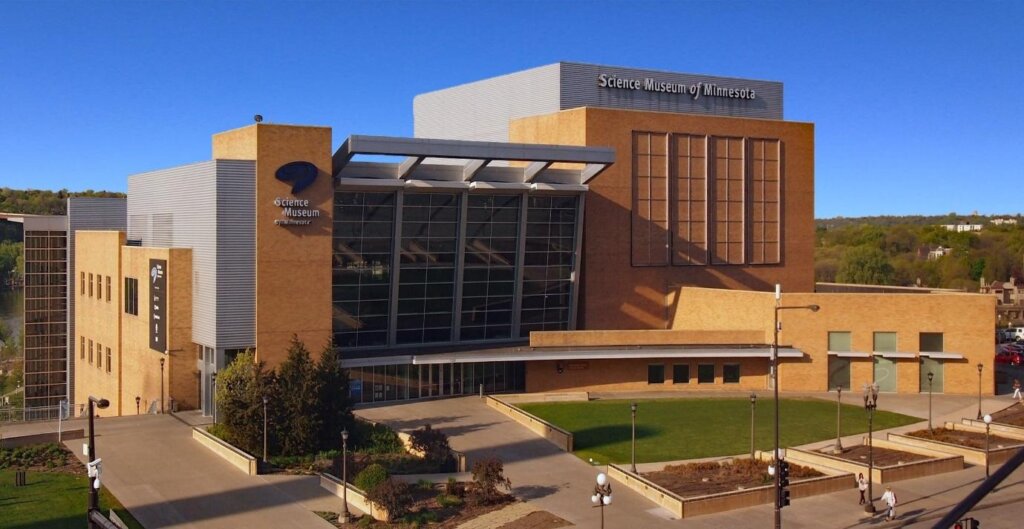
Location and How to Reach
- Location: The Museum of Science is located in major cities, such as the Museum of Science in Boston at 1 Science Park, Boston, Massachusetts, USA.
- Nearby Landmark: It is situated near the Charles River, close to public transportation.
- By Bus: Several city buses stop near the museum entrance.
- By Subway/Train: Accessible via the Green Line (Science Park station) or nearby train stations.
- By Car: Reachable through main city roads; parking is available in nearby lots or the museum’s own parking facilities.
- By Bicycle/Walking: Close to walking and cycling paths along the river, convenient for pedestrians and cyclists.
Main Attractions and Exhibits
1. Space and Astronomy Gallery
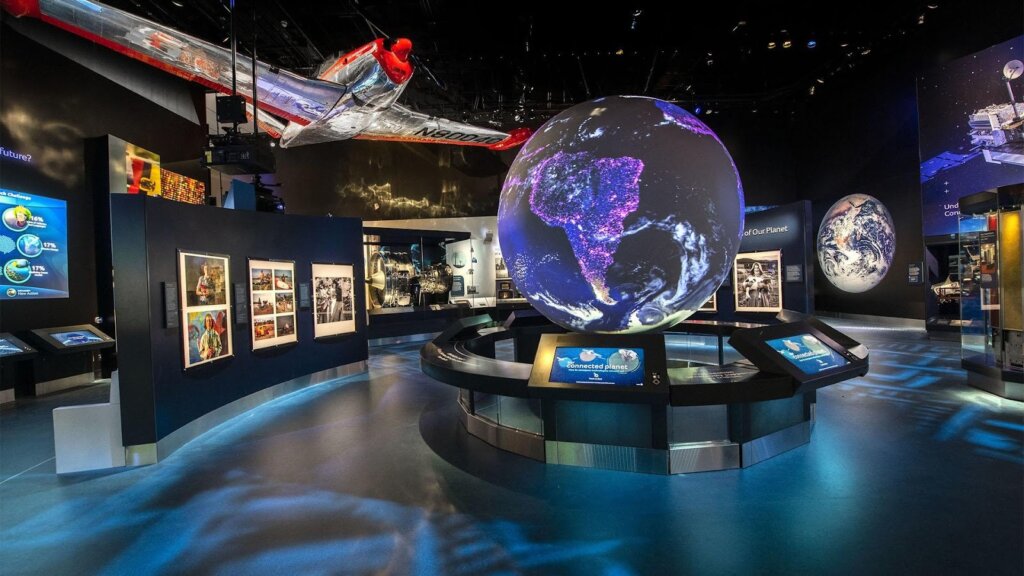
This section explores the mysteries of the universe. Visitors can learn about planets, stars, galaxies, astronauts, and space missions. Popular highlights often include models of rockets, planets, space suits, and interactive simulations of space travel.
2. Physics and Energy Exhibits
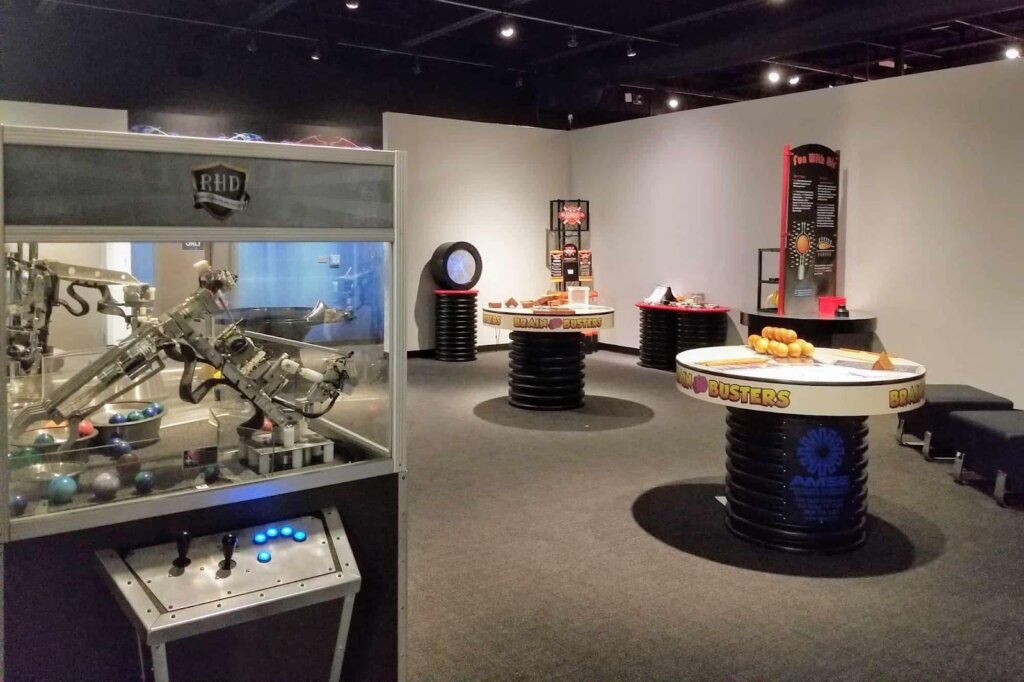
Physics exhibits explain basic concepts such as motion, force, sound, light, and electricity. Hands-on activities like pulleys, mirrors, magnetic games, and energy generators help visitors understand scientific laws through real-life examples.
3. Biology and Human Body Section
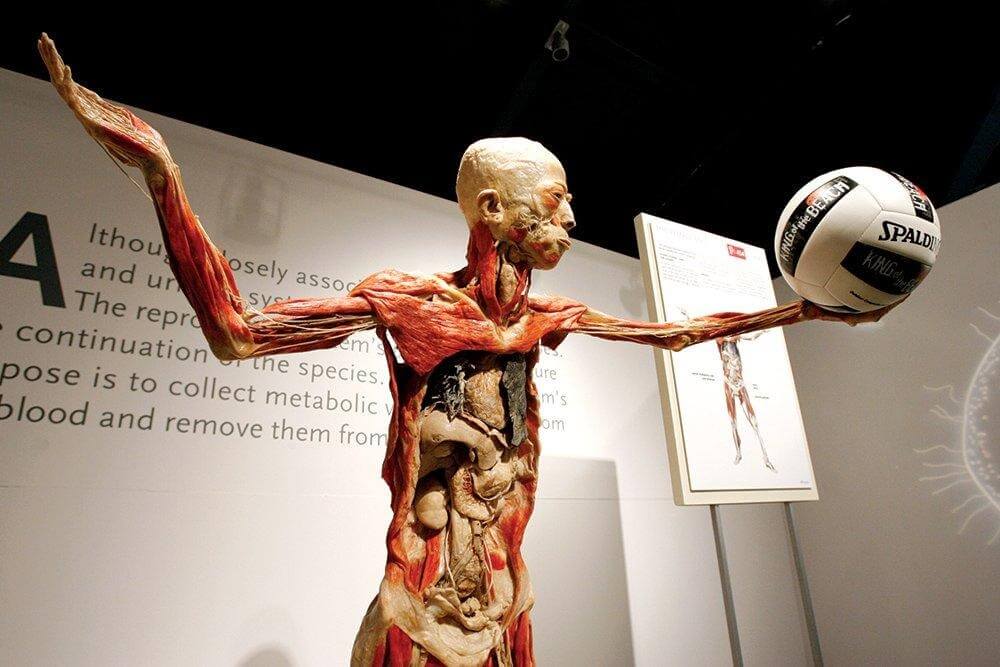
This area focuses on living organisms and human anatomy. Exhibits may include models of the human heart, brain, lungs, and skeleton, along with information about health, nutrition, genetics, and ecosystems.
4. Technology and Innovation Zone
The technology gallery showcases inventions that have changed the world, such as computers, robots, artificial intelligence, and communication systems. Visitors can explore how technology impacts daily life and shapes the future.
5. Earth and Environment Gallery
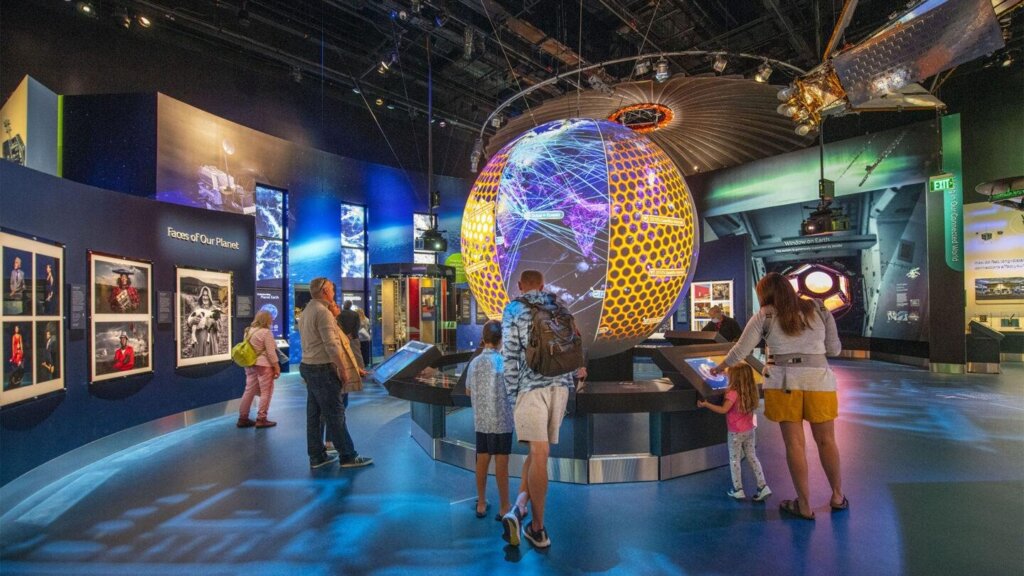
This section highlights Earth science topics like climate change, weather, natural disasters, oceans, and conservation. Interactive displays encourage visitors to learn about sustainability and protecting the environment.
Interactive Learning Experiences
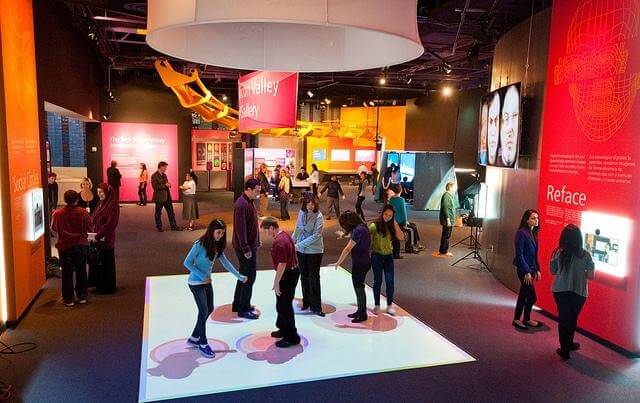
One of the biggest attractions of a Museum of Science is interactive learning. Live science demonstrations, experiment labs, science shows, and workshops allow visitors to actively participate rather than just observe. These experiences make learning memorable and enjoyable, especially for children.
IMAX Theater and Planetarium
Many science museums feature an IMAX theater or planetarium. These facilities offer educational films and shows on space, nature, and scientific discoveries using advanced visual technology for an immersive experience.
Educational Programs and Workshops
Museums of science organize educational programs for schools, colleges, and families. These include guided tours, science camps, teacher training programs, and special events that promote scientific thinking and creativity.
Facilities for Visitors
Most science museums provide modern facilities such as:
- Cafeteria or food court
- Gift shop with educational toys and books
- Wheelchair accessibility
- Rest areas and lockers
- Free or paid Wi-Fi
Best Time to Visit
Choosing the right time to visit a Museum of Science can make your experience more enjoyable and comfortable. The best time depends on crowd levels, weather, and special events.
Best Time of the Day
- Morning (10:00 AM – 12:00 PM): This is the best time to visit, as the museum is less crowded and you can explore exhibits peacefully.
- Afternoon (12:00 PM – 3:00 PM): Moderate crowds are common, especially school groups. This time is still good for interactive exhibits and shows.
- Late Afternoon (After 3:00 PM): Some galleries may be crowded or closing soon, so it is better to arrive earlier.
Best Days of the Week
- Weekdays (Monday to Friday): Ideal for students, families, and tourists who prefer a quiet and relaxed visit.
- Weekends (Saturday and Sunday): Usually crowded with families and children, but often include special workshops, science shows, and events.
Best Time of the Year
- Off-Season (Late January to March, September to early December): Fewer visitors and more comfortable exploration.
- Peak Season (Summer holidays, winter holidays, and school vacations): Very crowded but lively, with additional activities for children.
Weather Considerations
Science museums are indoor attractions, so they can be visited in any weather. However, extreme summer heat or rainy days often bring more visitors indoors, increasing crowd levels.
Special Events and Shows
If you are interested in science fairs, live demonstrations, planetarium shows, or temporary exhibitions, check the museum’s schedule in advance. Visiting during these events can make your experience more exciting.
Overall, weekday mornings during the off-season are considered the best time to visit a Museum of Science for a calm and informative experience.
Tips for Visitors
- Wear comfortable shoes as there is a lot of walking
- Allocate at least 3–4 hours for a complete visit
- Read instructions carefully before using interactive exhibits
- Visit with children to make learning fun and engaging
Importance of a Science Museum
A Museum of Science plays an important role in society by spreading scientific awareness and encouraging curiosity. It helps students develop critical thinking skills and inspires future scientists, engineers, and innovators.
Conclusion
A Museum of Science is a perfect destination for learning and fun. With interactive exhibits, educational programs, and engaging experiences, it inspires curiosity and scientific thinking. A visit to a science museum is not only informative but also an unforgettable experience for people of all ages.
Guidelines for Visiting the Museum of Science
To ensure a safe and enjoyable visit to the Museum of Science, follow these guidelines:
- Tickets and Entry: Purchase tickets online in advance or at the museum counter. Check for discounts or special passes.
- Opening Hours: Arrive during official opening hours and plan your visit accordingly.
- Photography: Photography is allowed in most areas without flash. Follow specific exhibit rules.
- Food and Drinks: No outside food or beverages are allowed; use the museum cafeteria or designated areas.
- Interactive Exhibits: Only touch exhibits labeled as interactive. Handle all displays with care.
- Children Supervision: Always supervise children; ensure they follow museum rules.
- Accessibility: Use ramps, elevators, or other accessible facilities if needed.
- Respect Other Visitors: Keep noise levels down and be courteous to fellow visitors.
- Personal Belongings: Secure your belongings; lockers are available for storage.
- Safety Measures: Follow all safety instructions, especially in experiment labs, demonstration areas, and energy/physics sections.
- Special Events: For workshops, demonstrations, or science shows, follow event-specific guidelines and schedules.
Frequently Asked Questions (FAQ)
1. What is a Museum of Science?
A Museum of Science is an educational place where visitors learn about scientific concepts, discoveries, and technologies through interactive exhibits, experiments, and demonstrations.
2. Who can visit a Museum of Science?
A science museum is suitable for everyone, including children, students, teachers, families, and science enthusiasts of all ages.
3. How much time is needed to explore a Museum of Science?
On average, visitors need 3 to 4 hours to explore the main exhibits comfortably. Those attending shows or workshops may need more time.
4. Is a Museum of Science good for children?
Yes, science museums are especially designed for children with hands-on exhibits, fun experiments, and interactive learning zones that make science easy and enjoyable.
5. Are science museums educational?
Yes, they promote learning in subjects like physics, biology, space science, technology, and environmental studies, making them highly educational.
6. Can we visit a Museum of Science during any season?
Yes, since it is an indoor attraction, a Museum of Science can be visited throughout the year in any season.
7. Are guided tours available in science museums?
Many science museums offer guided tours, audio guides, and educational programs for schools and groups.
8. Is photography allowed inside a Museum of Science?
Photography rules vary by museum. In most cases, photography is allowed without flash, but special exhibitions may have restrictions.
9. Are food and rest facilities available?
Yes, most science museums have cafeterias, rest areas, washrooms, and seating facilities for visitors.
10. Why should students visit a Museum of Science?
Visiting a science museum helps students understand concepts practically, develop curiosity, and build interest in science and innovation.