


















Boston Children’s Museum – A Complete Guide for Families
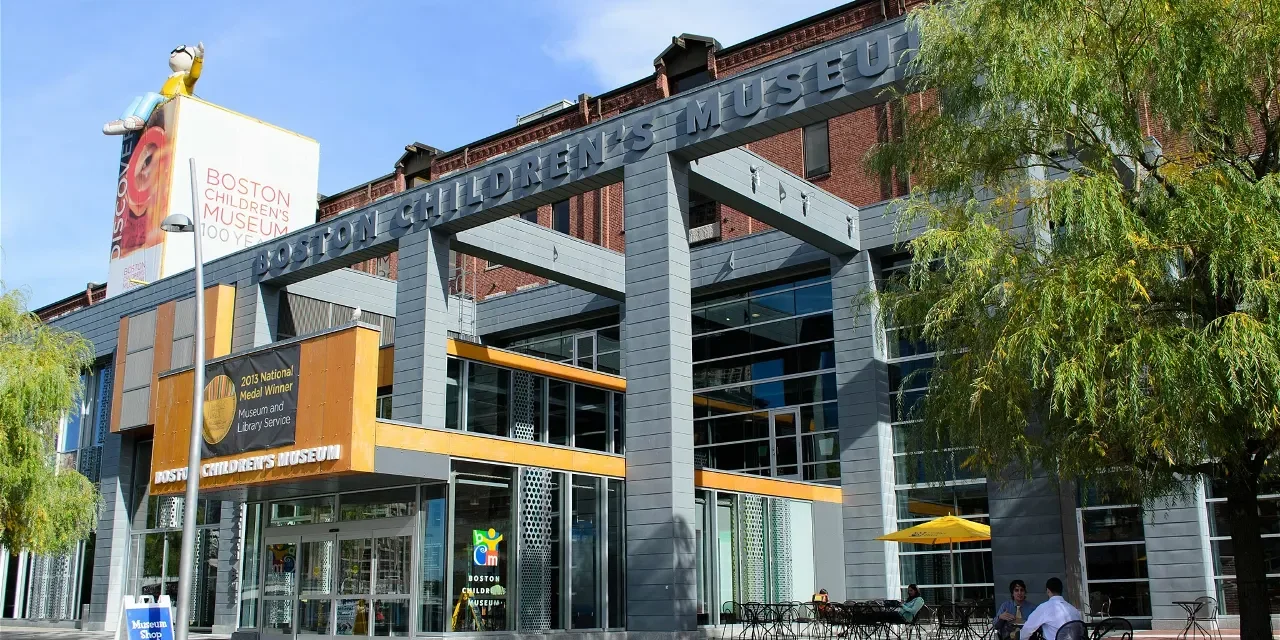
Boston Children’s Museum is one of the oldest and most popular children’s museums in the world. Located on the Fort Point Channel waterfront in Boston, Massachusetts, this museum is specially designed to inspire learning through play. It offers hands-on exhibits that encourage creativity, curiosity, and imagination in children.
Whether you are a local family or a tourist visiting Boston, Boston Children’s Museum is a must-visit destination for kids and parents alike.
History of Boston Children’s Museum
Boston Children’s Museum is one of the oldest and most influential children’s museums in the world. It was founded in 1913 in Boston, Massachusetts, with the goal of creating a learning space specially designed for children.
Early Beginnings (1913)
The museum was originally established by the Science Teacher’s Bureau as a small educational museum. At that time, most museums were designed only for adults. Boston Children’s Museum was unique because it focused on children’s curiosity, hands-on learning, and exploration.
In its early years, the museum displayed natural objects such as shells, minerals, birds, and artifacts, allowing children to learn by observing real items.
Growth and Development
As the idea of learning through play became more popular, the museum started expanding its programs and exhibits. It moved to several locations over the years to accommodate more visitors and interactive displays.
By the mid-20th century, Boston Children’s Museum became a leader in experiential education, inspiring children’s museums across the United States and around the world.
Move to Fort Point Channel (1979)
In 1979, the museum moved to its current location at 308 Congress Street, along Boston’s Fort Point Channel. This move marked a major transformation.
The new building allowed the museum to:
- Create large interactive exhibits
- Introduce performance spaces like KidStage
- Develop dedicated areas for toddlers, such as PlaySpace
- Showcase cultural exhibits like the Japanese House
Innovation and Global Influence
Boston Children’s Museum became known for its innovative exhibits that combine education, creativity, science, and culture. One of its most famous exhibits, the Japanese House (Kyo-no-Machiya), is an authentic 100-year-old home from Kyoto, Japan, rebuilt inside the museum.
The museum also played a key role in shaping how children’s museums operate worldwide, promoting:
- Hands-on learning
- Child-centered exhibit design
- Cultural understanding
Modern Era
Today, Boston Children’s Museum serves millions of children and families from around the world. It continues to update its exhibits to reflect modern learning needs, including STEAM education, creativity, and social development.
The museum remains committed to its mission:
To engage children in joyful learning experiences that inspire curiosity and creativity.

Location and How to Reach
Address:
Boston Children’s Museum
308 Congress Street, Boston, MA 02210, USA
The museum is easily accessible by:
- Public transport (bus, subway, water taxi)
- Car (paid parking nearby)
- Walking from downtown Boston
Its waterfront location also offers beautiful views and a pleasant environment.
Main Attractions and Exhibits
Boston Children’s Museum is known for its interactive and educational exhibits. Some of the most popular ones include:
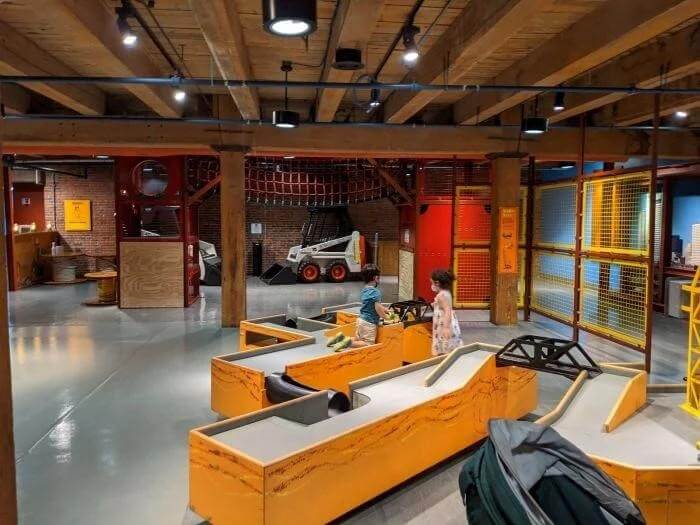
1. Construction Zone
In this exhibit, children can build structures using real tools and materials. It helps develop problem-solving skills, teamwork, and creativity.
2. Science Playground
Designed especially for younger children, this area introduces basic science concepts through water play, bubbles, ramps, and motion activities.
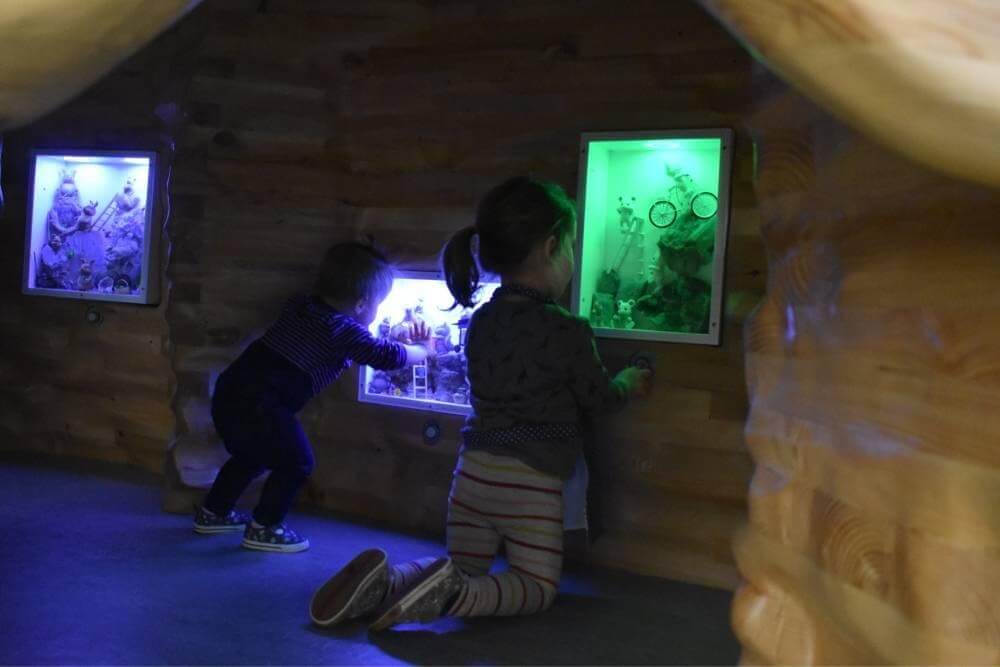
3. Art Studio
The Art Studio allows children to express themselves using paint, clay, recycled materials, and crafts. It encourages imagination and artistic confidence.
4. Japanese House (Kyo-no-Machiya)
One of the most unique exhibits, this is a real two-story Japanese house brought from Kyoto, Japan. Children learn about Japanese culture, lifestyle, and traditions.
5. KidStage
KidStage is a performance area where children can participate in storytelling, music, drama, and live shows. It boosts communication skills and confidence.
6. Boston Black: A City Connects
This exhibit introduces children to Boston’s Black history and culture through interactive displays, stories, and activities.
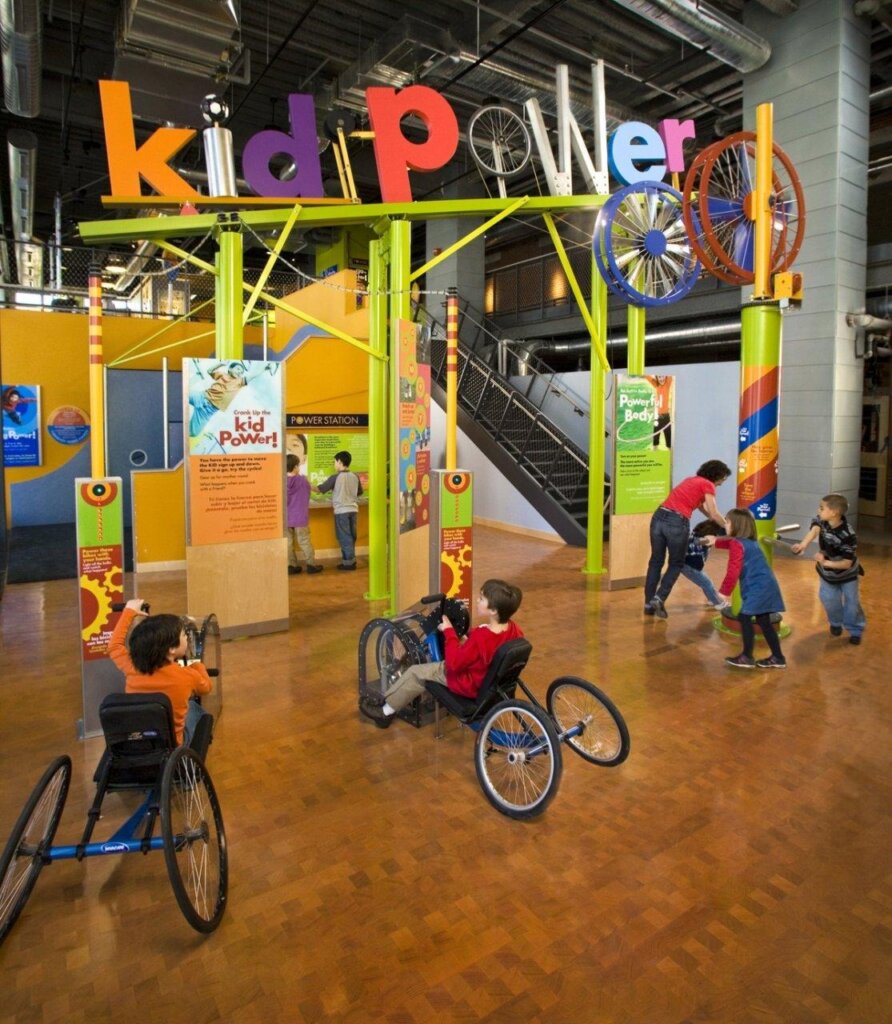
7. Playspace
Playspace is specially designed for toddlers and preschoolers. It includes soft play areas, climbing structures, and sensory activities.
Educational Value
Boston Children’s Museum focuses on:
- Learning by doing
- Critical thinking
- Social and emotional development
- Cultural awareness
- STEM education
Each exhibit is carefully designed with child development experts, making learning fun and meaningful.
Facilities and Amenities
The museum provides excellent facilities for visitors, including:
- Clean restrooms and baby-changing areas
- Wheelchair and stroller accessibility
- Café and snack areas
- Museum shop with educational toys and books
- Family-friendly seating and rest zones
Best Time to Visit Boston Children’s Museum
Choosing the right time to visit Boston Children’s Museum can make a big difference in your overall experience, especially if you are visiting with young children. The best time depends on season, day of the week, and time of day.
Best Season to Visit
Spring (March to May) – Highly Recommended
Spring is one of the best seasons to visit the museum.
- Pleasant weather makes traveling comfortable
- Moderate crowd levels compared to summer
- Ideal for school trips and family visits
- Outdoor waterfront area is enjoyable after the museum visit
Best months: April and May
Summer (June to August) – Fun but Crowded
Summer is peak tourist season in Boston.
- Many families visit during school vacations
- The museum offers special summer programs
- Longer daylight hours
Drawback:
- Very crowded, especially weekends
- Advance booking is strongly recommended
Best time in summer: Early morning slots
Fall (September to November) – Best Overall
Fall is considered the best overall time to visit Boston Children’s Museum.
- Fewer tourists after summer ends
- Children return to school, reducing crowd size
- Comfortable weather
- Special educational programs during the school year
Best months: September and October
Winter (December to February) – Quiet but Cold
Winter is ideal if you prefer a less crowded experience.
- Very few tourists
- Short waiting times
- Indoor museum makes it perfect during cold weather
Drawback:
- Extremely cold weather
- Snow may affect travel plans
Best days: Weekdays in January and February
Tickets and Timings
- Tickets can be purchased online or at the museum entrance.
- Entry times are usually timed to manage crowd flow.
- The museum generally opens Tuesday to Sunday (hours may vary by season).
Always check the official website before visiting for latest timings and ticket prices.
Tips for Visitors
- Book tickets in advance, especially during holidays.
- Wear comfortable clothes for kids, as many exhibits involve movement and play.
- Plan at least 2–3 hours to explore the museum fully.
- Bring water bottles and light snacks if allowed.
Why Visit Boston Children’s Museum?
Boston Children’s Museum is more than just a museum—it is a learning playground. It helps children:
- Learn new skills
- Build confidence
- Understand different cultures
- Enjoy quality family time
It is the perfect blend of education, entertainment, and creativity.
Conclusion
Boston Children’s Museum is one of the best family attractions in Boston. With its interactive exhibits, educational programs, and child-friendly environment, it offers an unforgettable experience for children and parents. If you are planning a family trip to Boston, make sure Boston Children’s Museum is on your list.
Guidelines for Visiting Boston Children’s Museum
To ensure a safe, enjoyable, and educational experience for all visitors, Boston Children’s Museum follows certain guidelines. Parents, guardians, and children are requested to follow these rules during their visit.
General Visitor Guidelines
- Children must be accompanied by an adult at all times.
- Follow museum staff instructions and posted signs.
- Be respectful to other families and children.
- Running, pushing, or rough play is not allowed.
- Keep personal belongings with you at all times.
Safety Guidelines
- Use exhibits only as intended for safe play.
- Parents should closely supervise toddlers and young children.
- Report any damaged equipment or unsafe conditions to staff immediately.
- Emergency exits should remain clear at all times.
Health & Hygiene Guidelines
- Wash or sanitize hands before and after using exhibits.
- Food and drinks are allowed only in designated areas.
- Do not bring outside food into exhibit spaces unless medically necessary.
- Sick children or adults are advised to postpone their visit.
Exhibit Rules
- Share exhibits and take turns with other children.
- Follow age guidelines mentioned at each exhibit.
- Return materials and toys to their proper places after use.
- Photography may be limited in certain exhibit areas.
Accessibility Guidelines
- The museum is wheelchair and stroller accessible.
- Elevators and ramps are available throughout the building.
- Service animals are allowed as per accessibility rules.
- Inform staff if special assistance is needed.
Ticket & Entry Guidelines
- Timed entry tickets may be required.
- Tickets are non-transferable and must be shown at entry.
- Late arrivals may need to wait for the next available time slot.
- Re-entry is allowed only if permitted by staff.
Behavior Expectations for Children
- Use kind language and behavior with others.
- Respect museum property and exhibits.
- Follow adult guidance during activities and workshops.
- Loud or disruptive behavior may require a break from exhibits.
Photography & Media Guidelines
- Personal photography is generally allowed.
- Flash photography may be restricted in some areas.
- Commercial photography or videography requires prior permission.
Frequently Asked Questions (FAQ) – Boston Children’s Museum
1. What is Boston Children’s Museum?
Boston Children’s Museum is an interactive museum in Boston designed for children to learn through hands-on play. It focuses on creativity, science, culture, and early childhood education.
2. Where is Boston Children’s Museum located?
The museum is located at 308 Congress Street, Boston, Massachusetts, along the Fort Point Channel waterfront.
3. What is the best age to visit Boston Children’s Museum?
The museum is ideal for children aged 2 to 10 years, but children of all ages can enjoy many exhibits with adult supervision.
4. How much time should I plan for the visit?
Most families spend around 2 to 3 hours exploring the museum comfortably.
5. What is the best time to visit Boston Children’s Museum?
The best time to visit is weekday mornings, especially during September and October, when crowds are smaller and the experience is more relaxed.
6. Are tickets available online?
Yes, tickets can be purchased online or at the museum entrance, but advance booking is recommended due to timed entry slots.
7. Is the museum stroller-friendly?
Yes, Boston Children’s Museum is stroller and wheelchair accessible, with elevators and ramps available.
8. Are food and drinks allowed inside?
Food and drinks are allowed only in designated eating areas. Outside food is generally not permitted unless required for medical reasons.
9. Is photography allowed in the museum?
Personal photography is usually allowed, but flash and commercial photography may be restricted in certain exhibit areas.
10. Are there facilities for toddlers?
Yes, the museum has special areas like Playspace, designed specifically for toddlers and preschool-aged children.
11. Does the museum have a gift shop?
Yes, there is a museum shop offering educational toys, books, and souvenirs.
12. Is Boston Children’s Museum accessible for visitors with disabilities?
Yes, the museum offers full accessibility, including elevators, ramps, and accommodations for visitors with special needs.
13. Can I re-enter the museum after leaving?
Re-entry policies may vary. It is best to confirm at the entrance desk during your visit.
14. Is the museum suitable for school groups?
Yes, the museum is very popular for school trips and educational group visits, especially on weekdays.
15. Is parking available near the museum?
Paid parking is available at nearby parking garages. Public transport is also a convenient option.