















John F. Kennedy Presidential Library and Museum – A Tribute to America’s 35th President
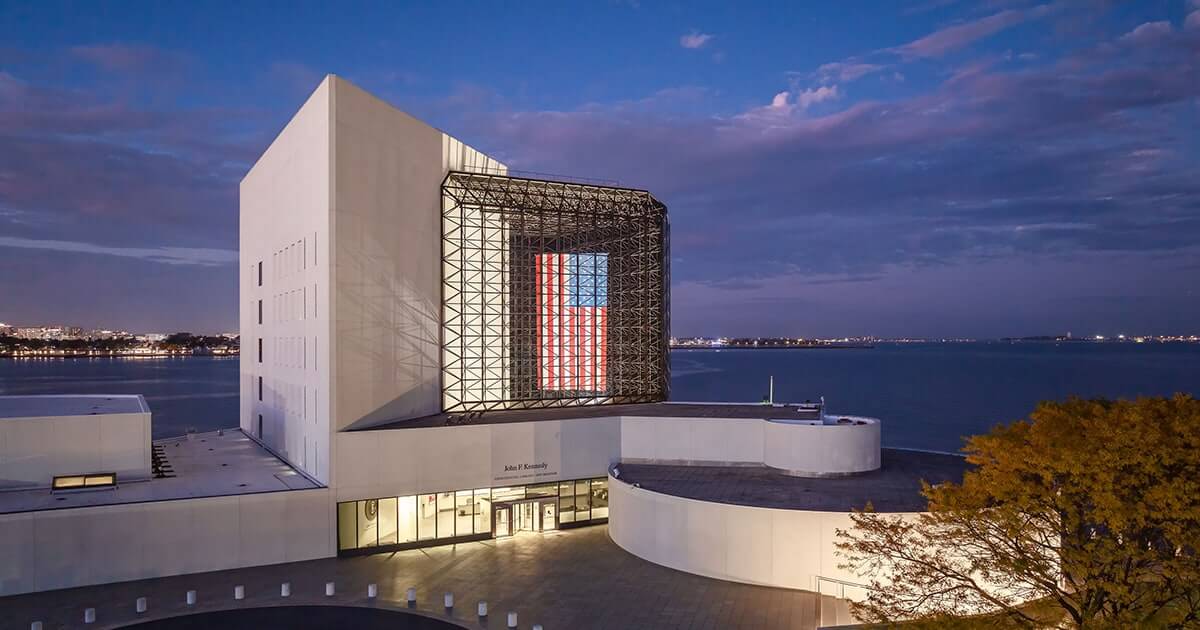
The John F. Kennedy Presidential Library and Museum is one of the most important historical institutions in the United States. Located in Boston, Massachusetts, this museum is dedicated to the life, leadership, and legacy of President John F. Kennedy, the 35th President of the USA. It preserves his speeches, personal papers, photographs, and artifacts while educating visitors about his vision for America and the world.
History of the John F. Kennedy Presidential Library and Museum
The idea of the John F. Kennedy Presidential Library and Museum was conceived shortly after the assassination of President John F. Kennedy in 1963. His family, friends, and supporters wanted to create a lasting memorial that would preserve his legacy and inspire future generations.
In 1964, plans for the library officially began, and world-renowned architect I. M. Pei, a close friend of the Kennedy family, was selected to design the building. Due to several location changes and construction delays, the project took many years to complete.
Finally, the library and museum were completed and opened to the public on October 20, 1979, in Boston, Massachusetts, at Columbia Point. The opening ceremony was attended by President Jimmy Carter, members of the Kennedy family, and thousands of guests.
The library was established as part of the U.S. Presidential Library system under the National Archives and Records Administration (NARA). It was created to preserve President Kennedy’s official papers, speeches, photographs, recordings, and historical artifacts.
Location and How to Reach the John F. Kennedy Presidential Library and Museum
Location
The John F. Kennedy Presidential Library and Museum is located at Columbia Point, on the waterfront in Boston, Massachusetts, USA. The museum offers beautiful views of Boston Harbor and is easily accessible from different parts of the city.
Address:
John F. Kennedy Presidential Library and Museum
Columbia Point, Boston, MA 02125, USA
How to Reach the Museum
By Public Transport (Subway)
- Take the MBTA Red Line subway.
- Get off at JFK/UMass Station.
- From the station, you can:
- Take a free shuttle bus (available on most days), or
- Walk for about 20–25 minutes to reach the museum.
This is one of the most convenient ways to reach the museum.
By Car
- The museum is easily accessible by car from downtown Boston.
- Follow signs to Columbia Point.
- Paid parking is available at the museum for visitors.
By Bus
- Several local buses stop near JFK/UMass Station.
- From there, visitors can use the shuttle or walk to the museum.
By Taxi or Ride-Sharing
- Taxis and ride-sharing services like Uber and Lyft are widely available in Boston.
- Simply search for John F. Kennedy Presidential Library and Museum as your destination.
About the Museum
The museum showcases John F. Kennedy’s journey from his early life to his presidency. Through interactive exhibits, videos, and original documents, visitors gain a deep understanding of the political, social, and global challenges of the 1960s.
Major Exhibits Inside the Museum
Early Life and Education
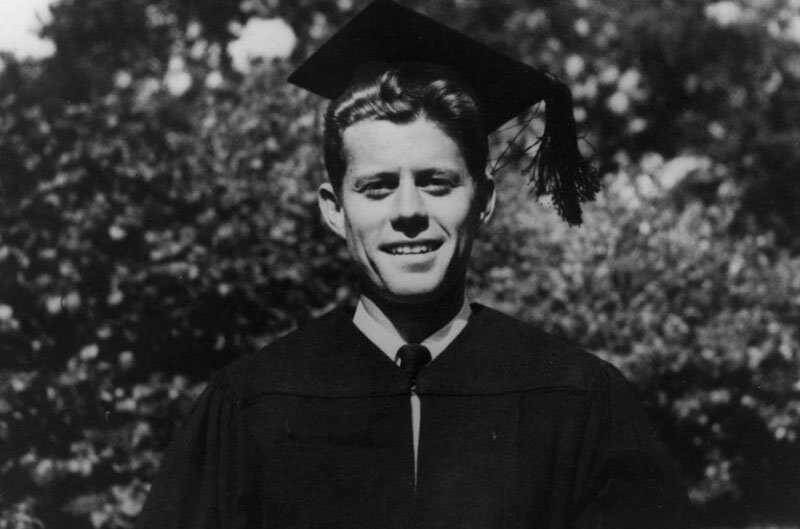
This section highlights JFK’s childhood, family background, and education. Personal photographs, letters, and school records help visitors understand his formative years.
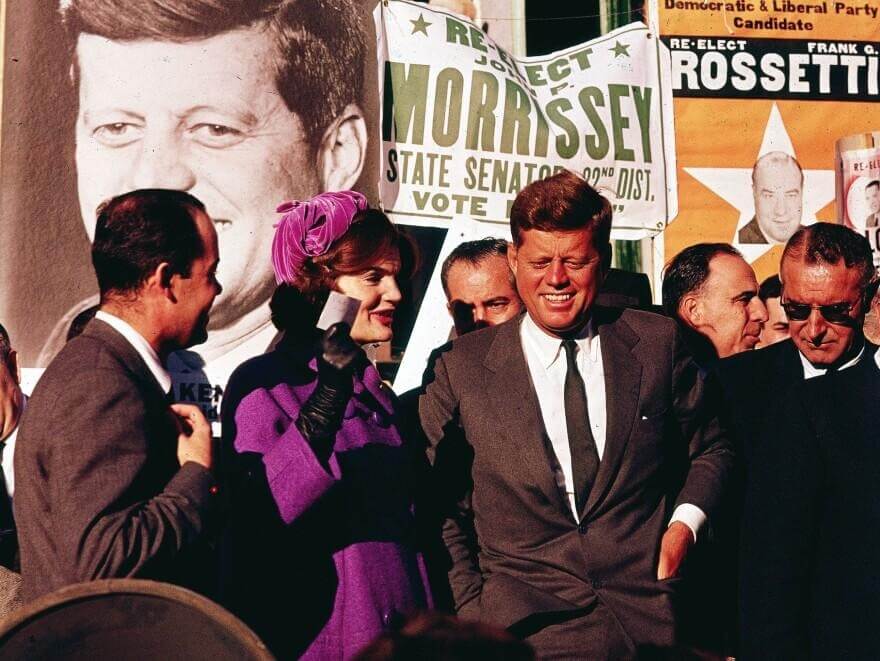
Presidential Campaign and Election
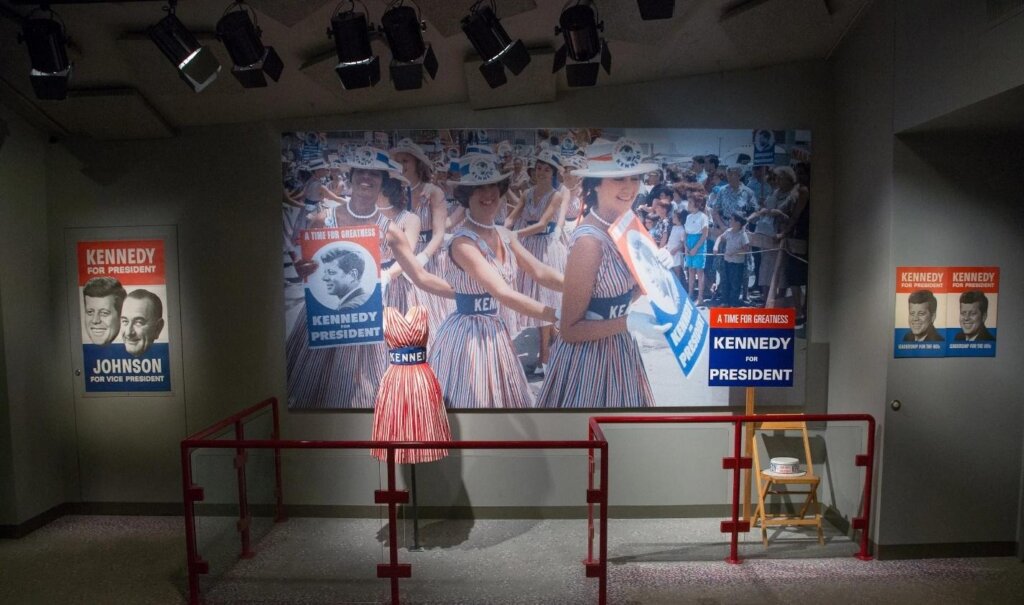
The exhibit covers the historic 1960 presidential election, including campaign materials, speeches, and media coverage that made JFK the youngest elected U.S. president.
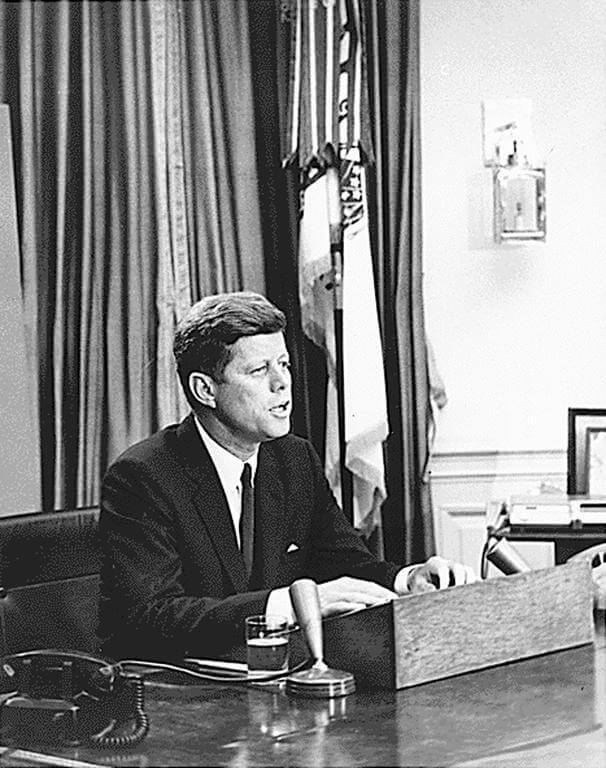
Foreign Policy and Global Leadership
This gallery focuses on major world events such as:
- The Cuban Missile Crisis
- Cold War diplomacy
- Alliance for Progress
- Peace and global cooperation efforts
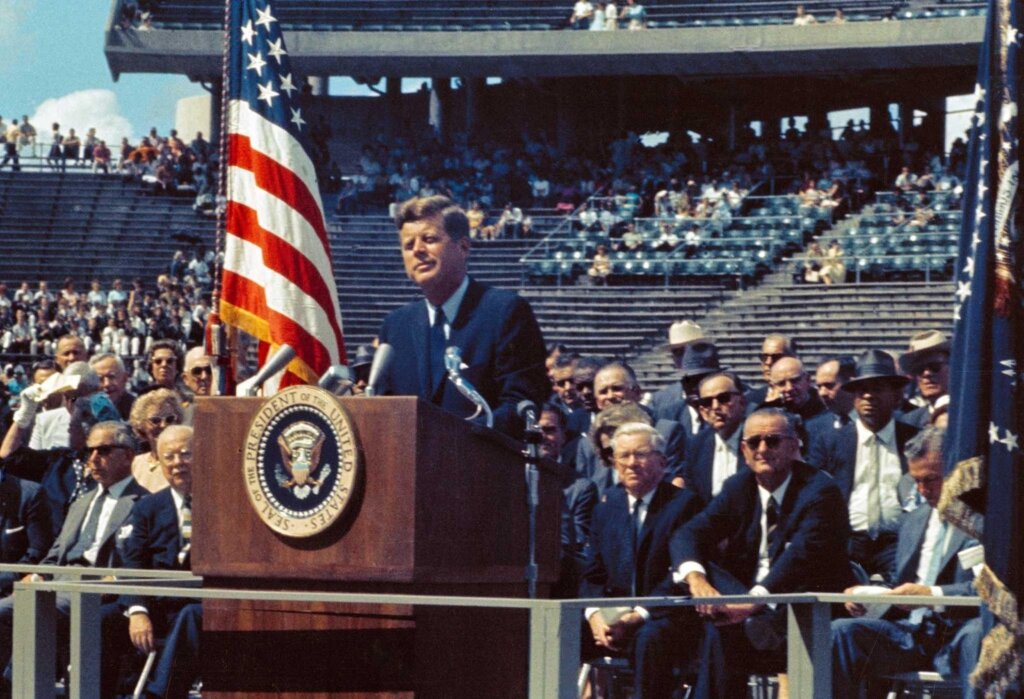
Space Race and Science Vision
One of the most inspiring sections shows Kennedy’s bold vision for space exploration, including his famous goal to send humans to the Moon.
Civil Rights and Social Change
The museum also highlights JFK’s role in advancing civil rights, equality, and social justice during a time of great change in America.
JFK Library Archives
The Presidential Library houses millions of historical documents, audio recordings, photographs, and films. Researchers, students, and historians from around the world use these archives to study JFK’s presidency and American history.
Education and Public Programs
The museum regularly hosts:
- Educational workshops
- Public lectures
- Student programs
- Film screenings
These programs help people of all ages learn about leadership, democracy, and history.
Best Time to Visit
The best time to visit is spring to fall (April–October) when the weather is pleasant and the waterfront view is beautiful. Weekdays are usually less crowded.
Best Time to Visit the John F. Kennedy Presidential Library and Museum (Season-Wise)
Spring (March to May)
Spring is one of the best seasons to visit the John F. Kennedy Presidential Library and Museum. The weather is mild and comfortable, making it pleasant to explore both the museum and the surrounding waterfront area. Crowds are moderate, and it is an ideal time for students, history lovers, and families.
Why visit in spring?
- Pleasant weather
- Fewer tourists than summer
- Ideal for photography and walking
Summer (June to August)
Summer is the peak tourist season in Boston. The museum attracts a large number of visitors, especially families and international tourists. While the weather is warm and sunny, crowds are higher during weekends and holidays.
Tips for summer visits:
- Visit early in the morning
- Choose weekdays for a relaxed experience
- Book tickets in advance if possible
Fall (September to November)
Fall is considered the most beautiful and comfortable time to visit the museum. Cooler temperatures and colorful autumn scenery enhance the experience. Tourist crowds begin to decrease after summer, making it a great time for peaceful exploration.
Why fall is ideal?
- Cool and comfortable climate
- Fewer crowds
- Scenic waterfront views
Winter (December to February)
Winter is the least crowded season at the museum. While Boston experiences cold weather and occasional snowfall, the indoor exhibits remain enjoyable. This season is best for visitors who prefer quiet visits and indoor learning experiences.
Things to consider in winter:
- Cold temperatures outside
- Limited outdoor exploration
- Ideal for focused museum visits
Tips for Visitors
- Allow 2–3 hours for a full visit
- Carry headphones for audio exhibits
- Photography is allowed in many areas
- Check the official website for events and timings
Why Visit the JFK Presidential Library and Museum?
- Learn about one of America’s most influential presidents
- Experience interactive and engaging exhibits
- Gain insight into U.S. history and leadership
- Enjoy stunning ocean views
Conclusion
The John F. Kennedy Presidential Library and Museum is more than just a museum — it is a lasting tribute to one of America’s most inspiring leaders. From his early life and education to his presidential campaigns, foreign policy achievements, space vision, and commitment to civil rights, the museum captures the essence of JFK’s life and legacy. Visitors can explore interactive exhibits, view historical artifacts, and gain insight into the challenges and triumphs of the 1960s.
FAQ – John F. Kennedy Presidential Library and Museum
1. Where is the John F. Kennedy Presidential Library and Museum located?
The museum is located at Columbia Point, Boston, Massachusetts, USA. It sits on the waterfront with beautiful views of Boston Harbor.
2. What are the museum’s opening hours?
The museum is usually open Tuesday to Sunday, from 9:00 AM to 5:00 PM. It is closed on Mondays and certain national holidays. Check the official website before visiting.
3. What is the best time to visit the museum?
The best time to visit is spring (April–May) and fall (September–October) when the weather is pleasant, and crowds are moderate. Weekdays, especially mornings, are the quietest.
4. How do I reach the museum?
By Subway: Take the MBTA Red Line to JFK/UMass Station, then walk 20–25 minutes or take a free shuttle.
By Car: Paid parking is available on-site.
By Taxi/Ride-sharing: Services like Uber and Lyft are widely available in Boston.
5. What can I see in the museum?
The museum showcases:
Historic artifacts, photos, and documents
JFK’s early life and education
Presidential campaigns and election
Foreign policy and global leadership
Space Race and scientific vision
Civil rights and social change
6. Is photography allowed inside the museum?
Photography is permitted in many areas, but flash and tripods may be restricted. Always check for signage in exhibits.
7. Are there educational programs?
Yes, the museum offers:
Special exhibits
Student programs and workshops
Public lectures and talks
Guided tours
8. Can I access JFK’s archives?
The JFK Library Archives houses millions of documents, audio recordings, photographs, and films. Researchers and students can access these materials by appointment.
9. Is the museum accessible for people with disabilities?
Yes, the museum is fully wheelchair accessible, and assistance is available for visitors with disabilities.